
What happens when your commercial door becomes hard to open, makes unusual noises, or fails to lock? These problems can slow down daily work and leave your building less secure. Small changes, such as a loose handle, damaged frame, or uneven door movement, may point to a repair need. This guide covers nine warning signs to watch for and explains when a commercial lock repair expert can help you fix the problem.
1. Difficulty Opening or Closing the Door
Difficulty opening or closing the door is the first sign we are talking about. You may notice commercial door sticking or failing to close properly due to misaligned components, worn hinges, dirt buildup in the tracks, or faulty hardware. These problems can affect your business security and accessibility, damage mechanical parts, and lead to an emergency lockout situation.
Metal doors can warp you over time, while a misaligned door frame can create gaps that affect security and insulation. For manual doors, check the closer if opening becomes harder or the door no longer closes reliably. Damage, oil leakage, or poor adjustment can affect its operation. Electrically operated doors also need working sensors and well-lubricated tracks. A commercial door repair specialist can inspect the problem and help restore proper operation.
2. Unusual Noises During Operation
The second sign is unusual noises during operation. You may hear grinding, squeaking, or rattling noises caused by rusted hinges, loose rollers, damaged tracks, dry or unlubricated hinges, or worn-out door closers. Mechanical wear, misaligned frames, problems with internal mechanisms, misaligned strike plates, and debris or foreign objects caught in the track can also cause trouble. These door hardware issues may lead to complete hardware failure. A commercial door lock expert can inspect the problem and help restore a quiet, professional atmosphere at your workplace.
3. Visible Damage to the Door or Frame
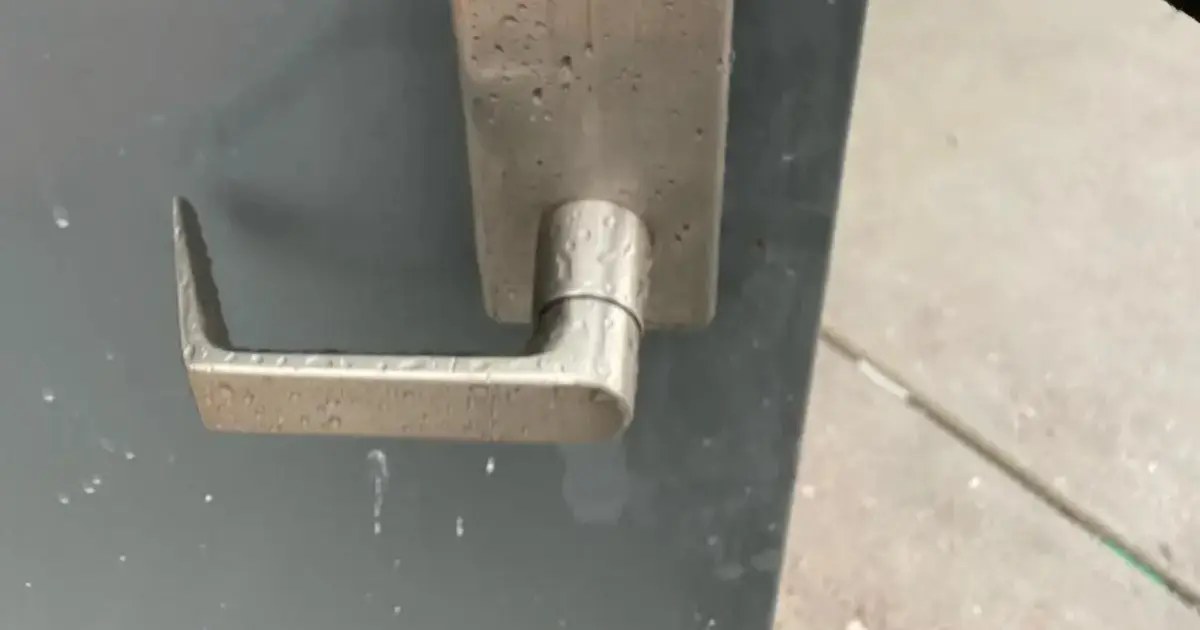
Visible Damage is the 3rd warning sign to watch for. You may notice cracks, bent parts, heavy wear on the lock face, salt air damage, dents, cracks, or warping on the door or frame. These issues can affect structural integrity, cause air leaks, raise energy costs, and create compromised security that allows unauthorized individuals access.
Loose or wobbly door handles, corroded or rusting hinges, cracks around the lock mechanism, and missing or damaged screws and fasteners are also signs of wear and tear. Without repairs, the door may become inoperable and need full replacement. Regular inspections by professional lock repair specialists can help you spot damage early.
Rust or Corrosion on Hardware
Exposure to moisture or chemicals can cause rust or corrosion on door hinges, tracks, or locks, affecting the door’s performance and appearance. Rust weakens structural components and increases the risk of failure. You may find that corroded parts can jam or break, disrupting daily operations.
The Handle, Knob, or Lock Feels Loose
Loose hardware may show up as a wobbly knob or lever, loose screws, or a lock body that moves when you turn the key. You may find that tightening may be enough, but when parts are worn, the lock can eventually stop working properly.
4. Door Won’t Lock Properly
Another warning sign is a lock that doesn’t engage due to a misaligned latch, worn-out lock, damaged locking mechanism, or faulty lock. Malfunctioning locks can leave your property open to unauthorized access, making it harder to secure the building.
The Key Sticks or Is Hard to Turn
If the key is hard to turn, you may have to jiggle, push, or pull it before it turns. This can happen when pins inside the cylinder are dirty, worn, or out of line. A worn key may cause the same issue, so try a spare key. If it turns smoothly, the original key may simply need replacing.
The Key Will Not Go In All the Way
Dirt, debris, a bent key, or a broken piece of key inside the cylinder can stop the key from sliding in fully. Do not force it. Forcing a key can cause keys snap off inside a lock.
The Latch Does Not Catch or the Door Will Not Stay Closed
When the door swings open after you close it, the latch may not line up with the strike plate due to poor door alignment. You may feel the need to slam it before the latch catches, but the door may need adjustment or repair.
Security Features Are Not Functioning Properly
Another sign we are talking about is a failure in locks, keypads, or access control systems. You may face an immediate security risk when a keypad lock not registering codes, a deadbolt sticking, or a card reader failing to grant access. Electronic locks with delayed or inconsistent response, loose or misaligned locking mechanisms, physical damage to keypads or card readers, and malfunctioning automatic door closers can also affect security.
Faulty locks increase the risk of unauthorized entry, break-ins, and potential liability. These security risks can put your employees, customers, and property at risk, including your valuable assets. Treat a failed panic bar or access-control device that affects emergency exit as urgent. OSHA generally requires employees to open an exit-route door from inside without keys, tools, or special knowledge. Contact a commercial door repair or access control services provider to address these problems.
5. Drafts or Air Leaks Around the Door
Drafts around your commercial door often come from gaps, cracks, or inadequate seals, allowing air to pass through. Worn weatherstripping, gaps in the doorframe, cracked weatherstripping, misaligned doors, and regular wear and tear can compromise a properly sealed door. Temperature changes and temperature fluctuations can cause seals to shrink or crack, so air sneaks in around the edges.
Air leaks reduce energy efficiency and increase heating and cooling costs, leading to higher utility bills. You may notice wasted energy and spaces that feel uncomfortable for employees and customers. Preventative maintenance helps you catch these problems early. Schedule a repair call to restore insulation and comfort inside the building and extend the life of exterior doors.
6. Damaged Glass Panels or Windows
Damaged glass compromises safety and affects your building’s professional appearance, while cracks, chips, or shattered glass in glass components can create safety hazards and security concerns. Damaged windows also leave a negative impression to customers, so you should arrange immediate repair to protect your property.
7. Sagging or Misaligned Door
Changes in the door’s alignment can cause a sagging door to drag on the floor or appear uneven within the frame. Worn hinges, a loose frame, improper installation, or wear on door hardware may also lead to further mechanical problems, so you may notice difficulty during operation.
8. Signs of a Break-in Attempt
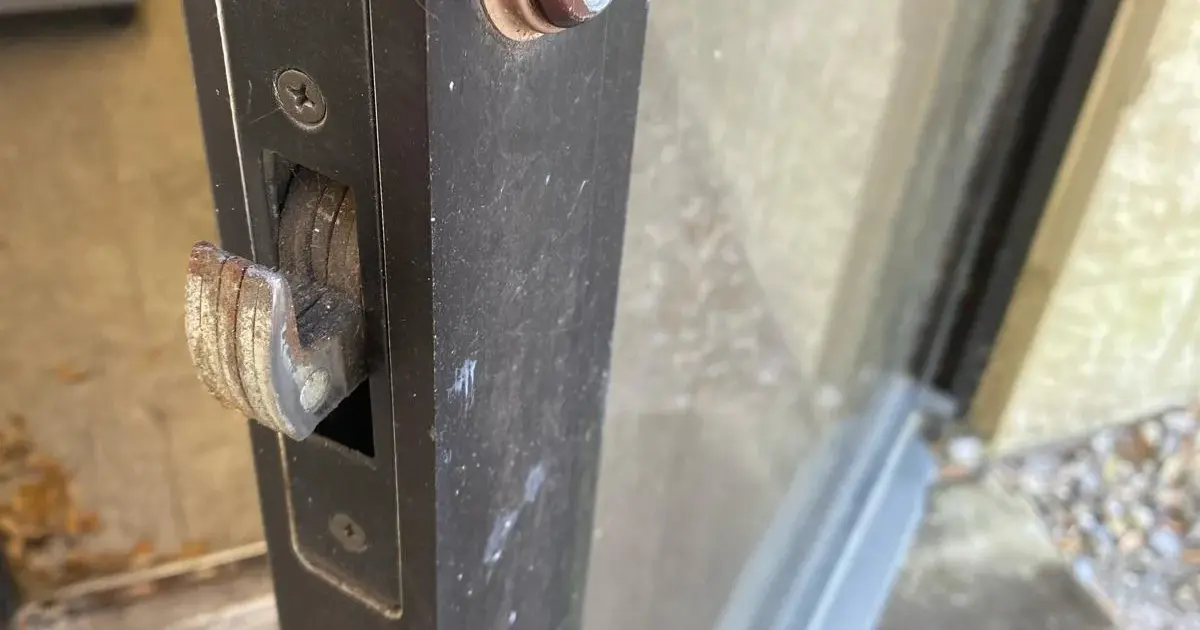
Scratches around the keyhole, pry marks on the door or frame, or a lock that suddenly feels different should be checked right away, even if the lock still opens. Fresh impact damage or shattered entrance glass also calls for a security assessment, as a November 2026 report documented storefront doors and windows smashed during a series of burglaries, and your lock may have been weakened.
9. Slow or Inconsistent Automatic Door Movement
Slow response times or inconsistent movement in automatic commercial doors may point to sensor, motor, or electrical issues. Faulty automatic doors can inconvenience customers and disrupt business operations, while malfunctioning sensors can create safety risks if a door fails to detect movement correctly. For your staff and visitors’ safety, arrange an inspection when you notice these problems.
The Impact of Ignoring Commercial Door Repair
When you overlook early warning signs of door hardware issues, they can create a ripple effect throughout your business. Delayed, seemingly minor problems can turn into major disruptions. A malfunctioning door can compromise staff and customer safety, increase your exposure to theft or unauthorized access, and create operational inefficiencies.
For example, doors that fail to lock or make excessive noise can damage the professional image you work hard to maintain. Also, a simple hinge adjustment left unattended might eventually require a major repair or replacement. These issues can also increase repair costs down the road, affect insurance requirements, or lead to violations of local building codes. By recognizing the importance of timely repairs, you can protect your investment and keep your business environment secure and welcoming.
Need Professional Commercial Door Repair?
Damaged hardware, faulty locks, or misaligned doors can affect your building’s security and daily operations. Local Locksmith Pros LLC can help you identify door problems and find the right repair solution. Contact us today to schedule professional commercial door repair and keep your property secure.